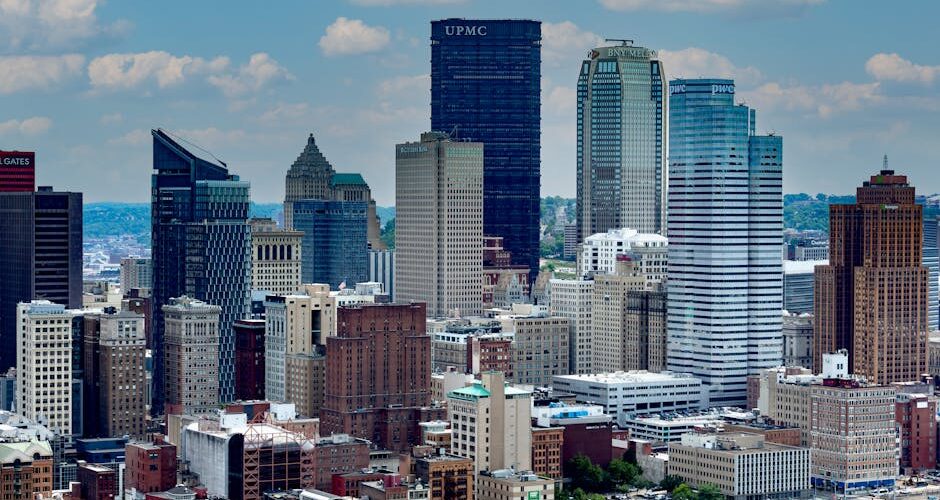
Pittsburgh’s Green Renaissance
There’s a revolution happening on the banks of the Allegheny, Monongahela, and Ohio Rivers. Pittsburgh, the city once dominated by steel mills and smoky skylines, is now at the forefront of the sustainability movement. In 2026, this renaissance is not just a vision; it’s a vibrant reality. The Steel City has evolved into a hub for green innovation, showcasing how urban areas can thrive while prioritizing the planet.
Local leaders, businesses, and residents have embraced sustainability with open arms. From the installation of solar panels atop historic buildings to eco-friendly transit systems weaving through the city, Pittsburgh’s commitment to a greener future is evident on every corner.
Transportation Transformation
Pittsburgh’s public transit system has undergone a remarkable transformation. The introduction of the zero-emission bus fleet has revolutionized how locals commute. These electric buses have not only reduced the city’s carbon footprint but have also eliminated noise pollution, making the streets quieter and more pleasant.
The city’s bike-sharing program has also seen a significant upgrade. With over 200 new e-bike stations installed in strategic locations, getting around Pittsburgh has never been easier. This initiative encourages residents and tourists alike to opt for healthier, more sustainable modes of transport, reducing the reliance on cars.
Eco-Friendly Neighborhoods
Lawrenceville, once an industrial stronghold, is now a beacon for eco-friendly living. This neighborhood boasts green roofs, community gardens, and passive solar homes. Residents here have adopted sustainable practices, such as rainwater harvesting and composting. The transformation of Lawrenceville serves as a model for other neighborhoods striving for sustainability.
The South Side has followed suit, with local businesses adopting green certifications and zero-waste policies. Small cafes and restaurants source ingredients from local farms, further supporting the region’s sustainable agriculture movement.
Innovative Green Spaces
One of Pittsburgh’s crown jewels in its sustainability efforts is the rejuvenation of its green spaces. Schenley Park, with its 456 acres of trails and woodlands, has seen the addition of a state-of-the-art eco-center. This facility provides educational programs about local biodiversity and conservation efforts. It’s a great spot for families and nature enthusiasts to learn while enjoying the beauty of the park.
The city has also committed to increasing its tree canopy by 20% by the end of 2028. This ambitious plan involves planting thousands of trees along streets, in parks, and within urban gardens. Not only does this improve air quality, but it also enhances the city’s aesthetic appeal, making Pittsburgh ever more inviting.
Leading the Way in Renewable Energy
Pittsburgh is making waves in the renewable energy sector. The city has partnered with local universities and tech startups to leverage its unique geographic position, championing cutting-edge research in wind and solar energy. These partnerships have led to the development of innovative solutions like the installation of river turbines in the city’s three rivers, providing clean energy to thousands of homes.
Moreover, Pittsburgh’s commitment to renewable energy has attracted numerous green tech companies. The Innovation District is now bustling with start-ups focused on sustainable technologies, driving economic growth while fostering environmental stewardship.
Community-Driven Sustainability Initiatives
What truly sets Pittsburgh apart is its community-driven approach to sustainability. The city empowers its residents with programs like “Greener Pittsburgh Together,” which offers workshops on sustainable living practices. These workshops range from organic gardening to efficient home energy use, equipping residents with the tools and knowledge to make a tangible impact.
Local non-profits play a crucial role too. Organizations like Sustainable Pittsburgh and Tree Pittsburgh are instrumental in mobilizing volunteers for tree planting, river clean-ups, and advocacy for environmental policies. This collective effort has fostered a strong sense of community, where everyone feels a part of the city’s green journey.
Practical Takeaway
Pittsburgh in 2026 stands as a testament to the power of collective action and forward-thinking policies. The city’s journey towards sustainability is not just about reducing carbon footprints or planting trees—it’s about creating a thriving, vibrant community that values the health of the planet and its people. For locals and visitors alike, Pittsburgh offers a blueprint of how urban living and environmental care can go hand in hand, ensuring a brighter, greener future for all.