Understanding Pittsburgh’s Rivers: Recreation and Conservation in 2026
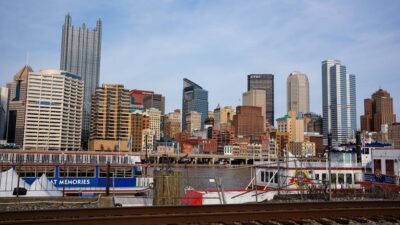
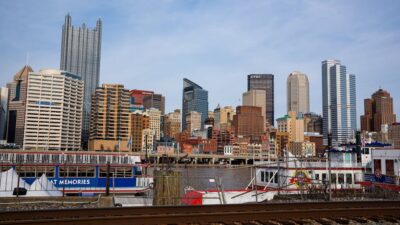
Pittsburgh, with its iconic three rivers—the Allegheny, Monongahela, and Ohio—has always been a city defined by water. These rivers have played a crucial role in shaping the city’s history, economy, and culture. As we look toward 2026, Pittsburgh’s waterways remain at the heart of recreational activities and conservation efforts, offering both residents and visitors a chance to enjoy and preserve this natural treasure.
The Pulse of the City: Recreational Activities
The rivers of Pittsburgh are bustling with activity year-round, and 2026 is no different. From kayaking to paddleboarding, the Allegheny, Monongahela, and Ohio rivers provide countless opportunities for water-based recreation. Kayak Pittsburgh, for example, has expanded its fleet to accommodate the growing number of paddlers eager to explore the city’s waters. With several launch points, including the popular North Shore and the vibrant Strip District, kayakers can see the skyline from a whole new perspective.
For those who prefer a more leisurely pace, the Pittsburgh Water Limo offers scenic tours along the rivers, showcasing the city’s breathtaking architecture and natural landscapes. Evening cruises provide stunning sunset views, creating unforgettable memories for locals and tourists alike.
Conservation Efforts: Protecting Our Waterways
With an increase in river activity comes the responsibility to protect and preserve these vital ecosystems. Organizations such as the Allegheny CleanWays and the Three Rivers Waterkeeper have been at the forefront of conservation efforts, working tirelessly to address pollution and maintain water quality. In 2026, these groups have made significant strides with community-driven initiatives like “Riversweep”—an annual event where volunteers collect debris along the riverbanks.
Moreover, advancements in water treatment technology have further improved the quality of the rivers. The Pittsburgh Water and Sewer Authority’s new water filtration systems have successfully reduced contaminants, ensuring that the rivers are safe for recreational use and wildlife habitats.
Bridges and Trails: Connecting Communities
Pittsburgh’s extensive network of bridges and trails fosters a deeper connection with its rivers. The Three Rivers Heritage Trail, a 33-mile path along the riverfront, is a favorite among cyclists, joggers, and walkers. This multi-use trail provides easy access to the rivers, encouraging more people to engage with their natural surroundings.
The city’s bridges are not only feats of engineering but also historical landmarks. As of 2026, the recently restored Smithfield Street Bridge offers dedicated pedestrian paths, enhancing the experience for those crossing the Monongahela River. Each bridge offers unique views and serves as a reminder of Pittsburgh’s rich industrial past.
Educational Initiatives: Learning by the Water
Education plays a pivotal role in river conservation and recreation. Programs such as “RiverQuest” engage students in hands-on learning experiences aboard specially designed boats that double as floating classrooms. These programs aim to inspire the next generation of environmental stewards by providing an in-depth understanding of the ecological importance of Pittsburgh’s rivers.
Local universities, including the University of Pittsburgh and Carnegie Mellon, have also developed courses that incorporate research and fieldwork on the rivers. This integration of academia and nature nurtures a sense of responsibility and curiosity among students, encouraging them to contribute positively to the community’s environmental goals.
The Future of Pittsburgh’s Rivers: A Vision for 2030
As we navigate through 2026, the future of Pittsburgh’s rivers looks promising. City planners and environmentalists are collaborating on the “2030 River Initiative,” a comprehensive plan aimed at further enhancing the recreational and ecological value of these waterways. Proposed projects include expanding green spaces along the riverbanks and increasing river accessibility through new docks and launch sites.
The initiative also emphasizes sustainable development, ensuring that any future growth respects the natural environment. With continuous community involvement and technological advancements, Pittsburgh is poised to set a benchmark for urban river management.
Engage, Enjoy, and Preserve
Pittsburgh’s rivers offer a plethora of opportunities for recreation and conservation. By participating in activities and supporting conservation initiatives, residents and visitors alike can ensure that these waterways remain vibrant and healthy for generations to come. So whether you’re paddling along the Allegheny, strolling across one of the city’s many bridges, or volunteering for a cleanup event, every action contributes to a thriving river ecosystem.
The rivers of Pittsburgh are more than just bodies of water; they are the lifeblood of the city. Engaging with them, enjoying their beauty, and preserving their integrity is a shared responsibility that binds the community together.