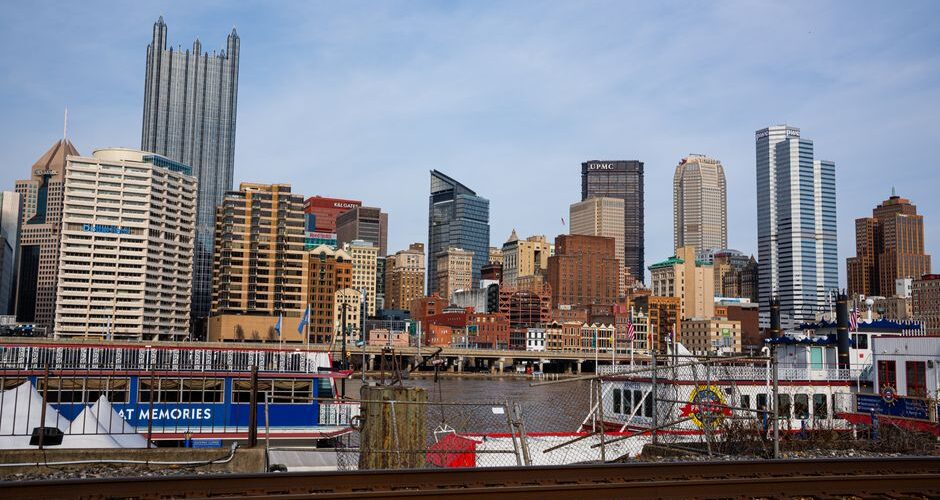
The Harmony of Old and New
Pittsburgh, a city renowned for its industrial past, is also a canvas of architectural marvels that tell a story of transformation and innovation. As we step into 2026, the skyline of Pittsburgh offers a stunning juxtaposition of historical grandeur and modern elegance. Exploring the city’s architectural landscape is akin to flipping through the pages of a timeless book where every chapter is meticulously crafted.
Embracing the Skyscrapers
The U.S. Steel Tower, once the tallest building in the city since its completion in 1970, has been joined by a new generation of skyscrapers that embrace sustainability and design innovation. The most recent addition, the EcoSpire, completed in 2025, stands at 850 feet and is not only an architectural masterpiece but also a beacon of sustainable design. Its vertical gardens and solar panel facade mark Pittsburgh’s commitment to eco-friendly urban development, a significant leap from the industrial soot of the past.
Reviving Historical Gems
Not to be overshadowed by modern advancements, Pittsburgh’s historical buildings have been lovingly preserved and integrated into the city’s dynamic fabric. The Allegheny County Courthouse and Jail, designed in the late 19th century by the celebrated Henry Hobson Richardson, still stands as a testament to the Romanesque revival style. In 2026, these landmarks are more than relics; they’re active participants in the city’s daily life, hosting events and tours that educate residents and visitors on the architectural evolution of the Steel City.
The Rise of Innovative Neighborhoods
Lawrenceville, once a neighborhood of steelworkers, has emerged as a hub for innovation and design. The Butler Street corridor, with its blend of loft apartments and boutique shops, showcases how adaptive reuse of industrial spaces can rejuvenate communities. Here, the Arsenal Lofts, a former munitions factory, has been transformed into a coveted residential and commercial space, maintaining its historical integrity while providing modern comforts. This neighborhood exemplifies how thoughtful design can breathe new life into old structures.
Public Spaces: The Heart of Community
Pittsburgh’s focus on community-centric design is evident in its public spaces. The revitalization of the Point State Park Fountain, which reopened in 2024 after extensive renovations, highlights how public areas can be transformed into vibrant social hubs. The fountain, now powered by renewable energy, attracts both locals and tourists who enjoy concerts, festivals, and serene riverside views. This space exemplifies how architecture and community can coexist harmoniously, fostering social interaction and cultural exchange.
Exploring the Future
As Pittsburgh continues to grow, its architectural landscape will undoubtedly evolve, reflecting the city’s values and aspirations. The fusion of historical preservation and modern innovation serves as a blueprint for cities worldwide, demonstrating how the past and future can coexist to create vibrant urban environments. For those seeking to explore Pittsburgh’s architectural wonders, whether you’re a local or a visitor, there’s no better time than now to witness this dynamic city in transition.
Practical Takeaway: For architecture enthusiasts and curious explorers alike, Pittsburgh offers a unique opportunity to study the integration of history and innovation. As you wander through its streets, take note of both the towering modern structures and the cherished historical buildings, appreciating the story they collectively tell about a city that’s always looking forward while honoring its past.