The Evolution of Pittsburgh’s Tech Sector and Its Future in 2026
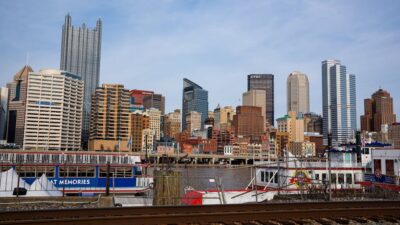
Pittsburgh, once primarily recognized for its steel industry, has undergone a profound transformation over the past few decades. Today, it’s a thriving tech hub, attracting talent and innovation from around the globe. As we stand in 2026, it’s fascinating to reflect on how Pittsburgh’s tech sector evolved and where it’s headed next.
The Rise of Robotics and AI
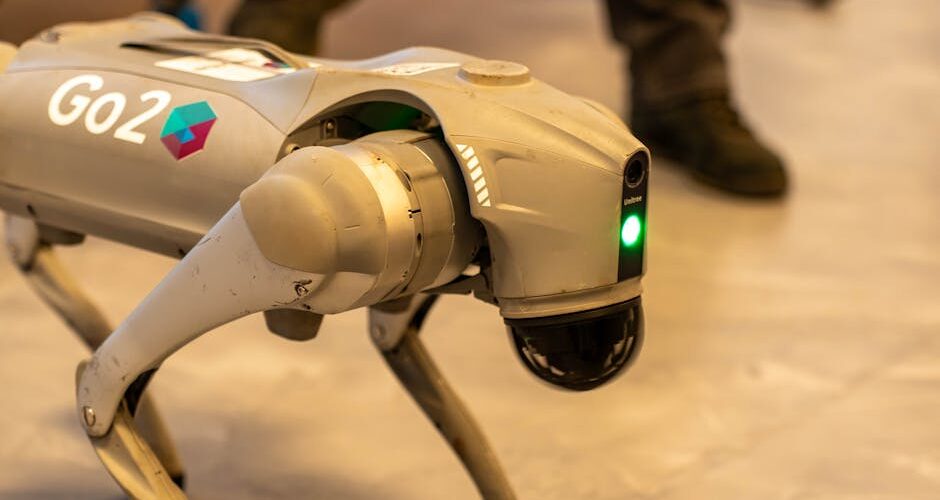
Pittsburgh’s journey into the tech world began with a robust focus on robotics and artificial intelligence. This was largely spearheaded by Carnegie Mellon University, which has consistently ranked among the top institutions worldwide for computer science and robotics. The synergy between academia and industry has been a defining factor in the city’s tech evolution.
By 2020, Pittsburgh was already home to more than 100 robotics companies, such as the well-known Aurora Innovation and Argo AI. These firms, alongside startups like Gecko Robotics and IAM Robotics, laid the groundwork for what has now become a $10 billion industry in the region. New AI-powered applications in logistics, healthcare, and manufacturing have reshaped local business processes, making Pittsburgh a leader in tech-driven solutions.
Software and IT Services Propel Growth
While robotics grabbed headlines, the steady growth of software and IT services played a critical role in Pittsburgh’s tech rise. Companies such as Duolingo, which originated in the city, highlighted Pittsburgh’s potential as a tech hub beyond hardware. By 2024, Duolingo had not only become a household name but also a key player in the city’s economic landscape.
Moreover, the surge in startups focusing on cybersecurity and fintech has further diversified the tech scene. This shift is evident in the establishment of innovation districts around the city, such as the Pittsburgh Innovation District in Oakland and the Strip District, fostering collaboration among startups, universities, and venture capitalists.
Green Tech and Sustainability Initiatives
As sustainability became a global priority, Pittsburgh embraced green technology with open arms. Initiatives such as the Pittsburgh 2030 District aimed to reduce energy consumption and greenhouse emissions. Local startups like EverPower and WindStax have driven innovation in renewable energy, contributing significantly to this goal.
The city has also invested in smart infrastructure projects, integrating IoT and AI to optimize energy use. The result has been a significant reduction in the city’s carbon footprint, setting an example for urban centers worldwide.
Real Estate and Urban Development
The tech boom has inevitably impacted Pittsburgh’s real estate market. Neighborhoods like East Liberty and Lawrenceville have experienced a renaissance, with tech companies setting up shop in revamped industrial spaces. The influx of tech professionals has fueled demand for modern housing, co-working spaces, and lifestyle amenities.
This urban development has also spurred growth in the hospitality sector, with new hotels and restaurants springing up to accommodate a diverse, tech-savvy population. The city’s balance of historical charm and modern convenience continues to attract newcomers, eager to be a part of the burgeoning tech scene.
Education and Workforce Development
Recognizing the importance of aligning education with industry needs, Pittsburgh has significantly invested in STEM education and workforce development. Programs at local colleges and universities have expanded to include cutting-edge tech fields, ensuring a steady pipeline of talent. Initiatives like the Pittsburgh Promise provide scholarships to local students pursuing tech careers, fostering homegrown talent.
Partnerships between tech companies and educational institutions have resulted in tailored training programs, internships, and apprenticeships, bridging the gap between academia and industry. This focus on education has cemented Pittsburgh’s reputation as a breeding ground for tech expertise.
What Lies Ahead: The Road to 2030
Looking forward, Pittsburgh’s tech sector is poised for continued growth. Experts predict that the city will further solidify its role as a hub for innovation in autonomous vehicles, quantum computing, and biotechnology. With sustained investment in infrastructure and talent, Pittsburgh is set to become a beacon for tech-driven urban development.
For local businesses and residents, this tech-driven evolution offers ample opportunities and challenges. As Pittsburgh navigates this path, the city’s commitment to inclusivity and sustainability will be crucial in ensuring that its tech sector benefits all its residents.
Practical Takeaway: For those looking to be part of Pittsburgh’s tech scene, now is the time to engage with local initiatives, explore educational opportunities, and collaborate with the vibrant community driving this city’s tech renaissance. Whether you’re a budding entrepreneur or an established company, Pittsburgh offers a dynamic environment where innovation meets opportunity.